The Wire
EU AI Act reaches full application on 2 August 2026
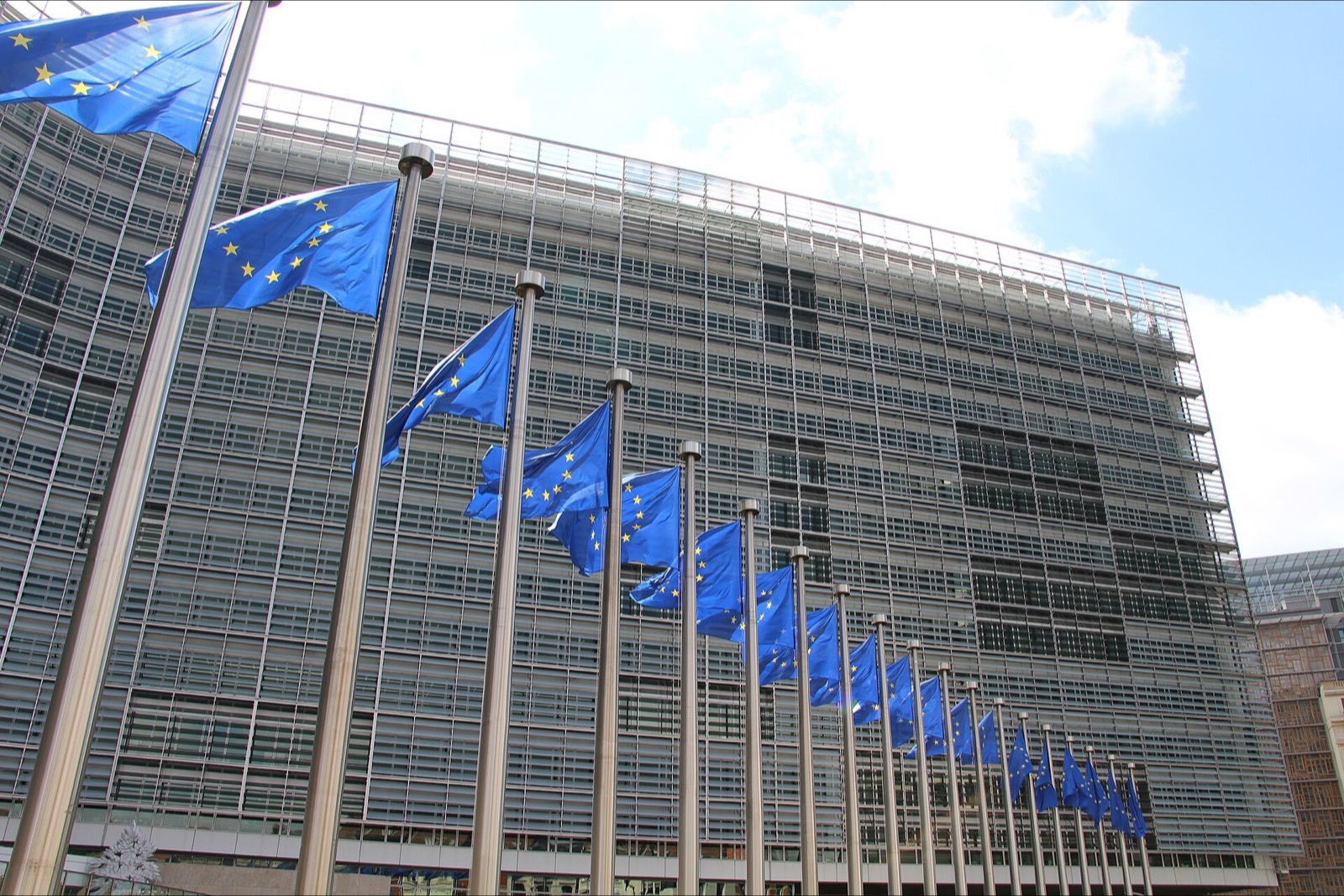
.jpg)
The EU AI Act reaches full application tomorrow. From 2 August 2026 the regulation’s main obligations bite, enforcement powers switch on, and UK membership bodies with EU members, chapters or events can no longer treat it as Brussels business.
The European Commission’s AI Act pages confirm the timeline: the Act entered into force on 1 August 2024, banned practices and AI literacy duties have applied since 2 February 2025, rules for general-purpose AI models since 2 August 2025, and the balance of the regulation applies from 2 August 2026.
The EU AI Act applies in full from 2 August 2026, with transparency rules for chatbots and AI-generated content and enforcement by the AI Office and member state authorities. The AI Omnibus, in force from 27 July 2026, pushes the heaviest high-risk obligations to 2 December 2027. UK bodies are in scope where AI outputs reach the EU.
What actually applies from 2 August?
The transparency tier and the enforcement machinery. AI systems such as chatbots must make clear to users that they are dealing with a machine, and certain AI-generated content, including deep fakes, must be labelled. In parallel, the Commission’s AI Office and national authorities take up their supervising and enforcing roles, with the Commission confirming on 31 July that it starts enforcing the Act’s rules and transparency requirements on 2 August.
Some duties are older than most organisations realise. The prohibitions on unacceptable-risk practices and the AI literacy obligation, requiring organisations to ensure a sufficient level of AI literacy among staff using AI on their behalf, have been live since February 2025. A member-facing chatbot that conceals what it is, or staff using AI tools with no training, are compliance questions now, not in 2027.
Why can’t a UK body file this under Brussels business?
Because the Act follows the output, not the postcode. A UK professional body whose AI systems serve EU-based members, score eligibility, or run member-facing automation that reaches people in the EU can be in scope without any EU office. Bodies with European chapters, EU member cohorts or events on the continent sit closest to the line.
The sector’s own supplier community has been making this case for weeks. Writing on MemberWise in July, ITAA.ai warned membership organisations that the two standard responses, “that is a problem for big tech” and “hasn’t it been delayed anyway”, are both wrong. The Act regulates use rather than industry, it reaches beyond the EU, and the literacy duty already applies.
What did the AI Omnibus change?
Timing, mostly. The AI Omnibus, the simplification package agreed politically on 7 May 2026 and in force from 27 July 2026, moves the heaviest high-risk obligations, covering uses such as recruitment screening and access to essential services, to 2 December 2027. High-risk systems embedded in regulated products have until 2 August 2028. A ninth prohibited practice, covering AI tools that generate non-consensual intimate imagery, applies from December 2026.
The delay is preparation time, not an exemption. It also settles the template UK suppliers are building to. AMS and AI vendors selling into the UK membership market are already writing EU-tier transparency and oversight features into their roadmaps, because their multinational customers will demand them. Our AI agents briefing covers what those controls look like in practice.
What happens next
August is for three supplier questions. Ask your AMS vendor which of its AI features fall into the Act’s transparency tier and how disclosure is handled. Ask any AI supplier how its risk classification maps to Annex III ahead of December 2027. And ask your own team who owns the AI literacy duty that has been law for eighteen months. The next hard date on the calendar is 2 December 2027.